
Single Implant
Replace one missing tooth with a titanium implant and crown — root and all, not just the visible part.
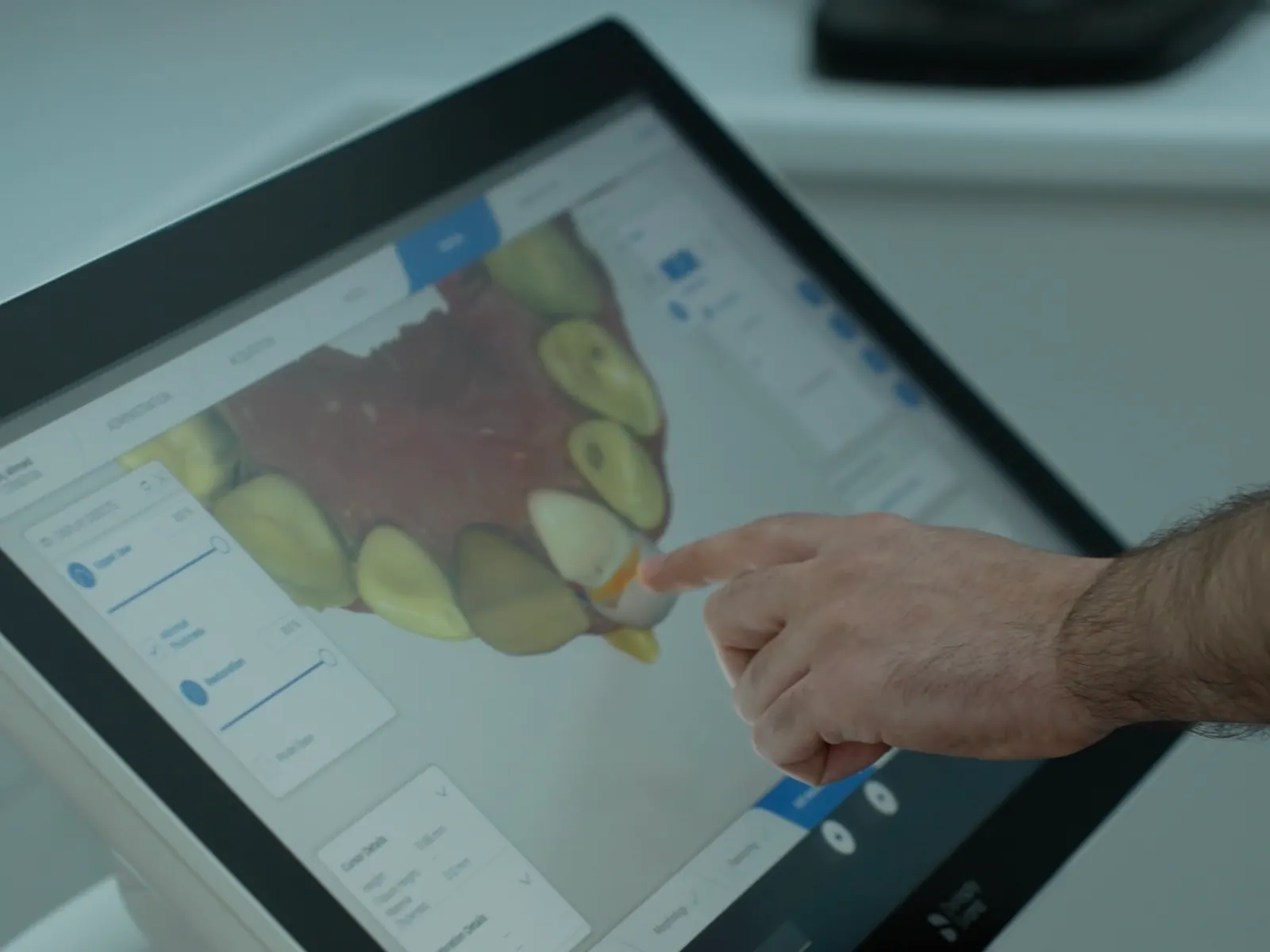
How a single implant works
A dental implant replaces a missing tooth from the root up, rather than just covering the gap. A skilled surgeon carefully places a small titanium post into the jawbone, in the space the natural tooth root used to occupy. That begins the critical phase of bone integration — known as osseointegration — which typically takes around 12 weeks. Once the implant has fully fused with the bone, it supports a crown built to meet both functional and aesthetic needs, closely resembling the tooth it's replacing.
The three parts of an implant
- Implant fixture — the titanium post surgically placed into the bone, forming the foundation of the whole restoration.
- Abutment (connector) — a small pillar that emerges from the bone and protrudes into the mouth, providing support for the crown above it.
- Crown — the visible, natural-looking part of the implant, connected to the abutment to complete the restoration.
What the implant is made of
Implants are crafted from chemically pure titanium, chosen for its biocompatibility and strength. Each implant also receives a specialised surface treatment designed to enhance bone integration — a crucial factor in how effective and long-lasting the implant ends up being.
The treatment journey
- Initial study and treatment planning — a thorough exam, X-rays or a 3D scan, and a treatment plan tailored to your bone structure and goals.
- Surgical phase — the implant fixture is placed under local anaesthetic. Depending on your bone condition, this may involve one procedure or, occasionally, more than one stage.
- Healing / osseointegration — around 12 weeks for the implant to properly fuse with the surrounding bone.
- Restorative phase — once integration is confirmed, the abutment and custom crown are attached, with the focus on both function and a natural look.
- Maintenance phase — regular check-ups and good oral hygiene are essential for long-term success — this stage continues for as long as you have the implant.
Protecting the healing process
To give the implant the best chance of integrating properly, it's important to avoid anything that could interfere with healing — particularly infection around the surgical site, excessive biting force on the implant before it's fully integrated, and tobacco use, which is well known to reduce implant success rates.
Is it right for you?
Most people with good general health and adequate jawbone density are suitable candidates. If there isn't quite enough bone at the implant site, a bone graft can often build up the area first — we'll let you know during your assessment whether this applies to you, and what it adds to the timeline.
Does it hurt?
The placement is done under local anaesthetic, so you shouldn't feel pain during the procedure — some swelling and tenderness afterward is normal and manageable with standard pain relief.
How long does the whole process take?
From initial consultation to the final crown, it's typically 3–6 months, mostly taken up by the 12-week bone integration period. More complex cases — such as those needing a bone graft first — can take longer.
What if I don't have enough bone?
A bone graft can build up the area beforehand, giving the implant a solid foundation to integrate with. We'll assess this with imaging at your initial consultation.
How long do implants last?
With good oral hygiene and regular check-ups, implants can easily last 15–20+ years, often a lifetime.
How much does it cost?
It varies case to case, depending on whether a bone graft or other preparation is needed. We'll give you a clear, itemised quote after your consultation — some health funds offer a rebate toward implant treatment, so it's worth checking your cover.